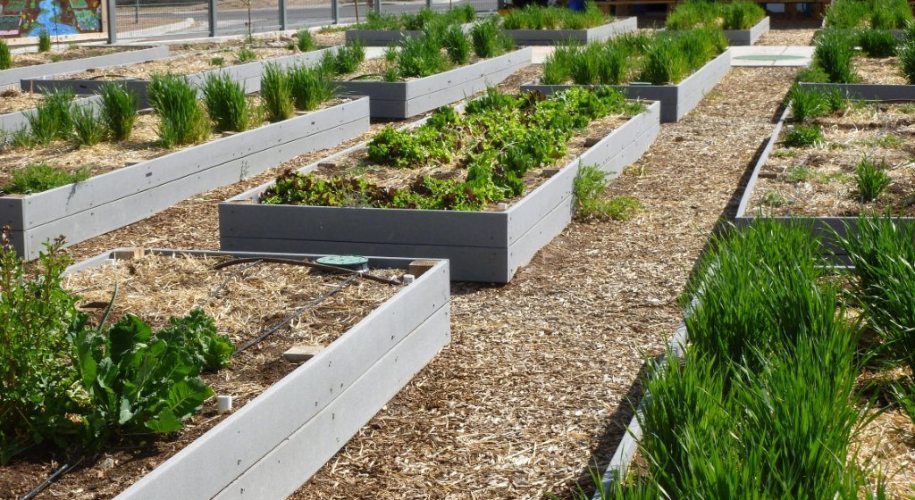
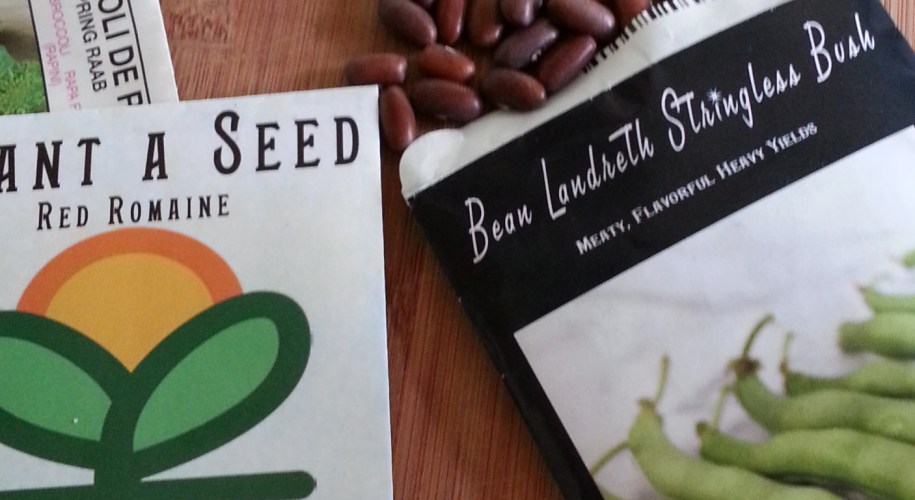


Seed Saving and Plant Sex Ed
We grow our tomatoes, cucumbers, peppers and more to harvest their fruit to eat, but the plant’s intent is to produce alluring fruits containing seeds that will be spread by animals to pass on their genetic material.
While our consumption of these plants doesn’t readily spread genetic material through dispersing seeds (at least not since the dawn of modern bathrooms), we can still play a part in saving and continuing the plant’s genetic material. Continue reading Seed Saving and Plant Sex Ed

A visit with celebrity gardener P. Allen Smith
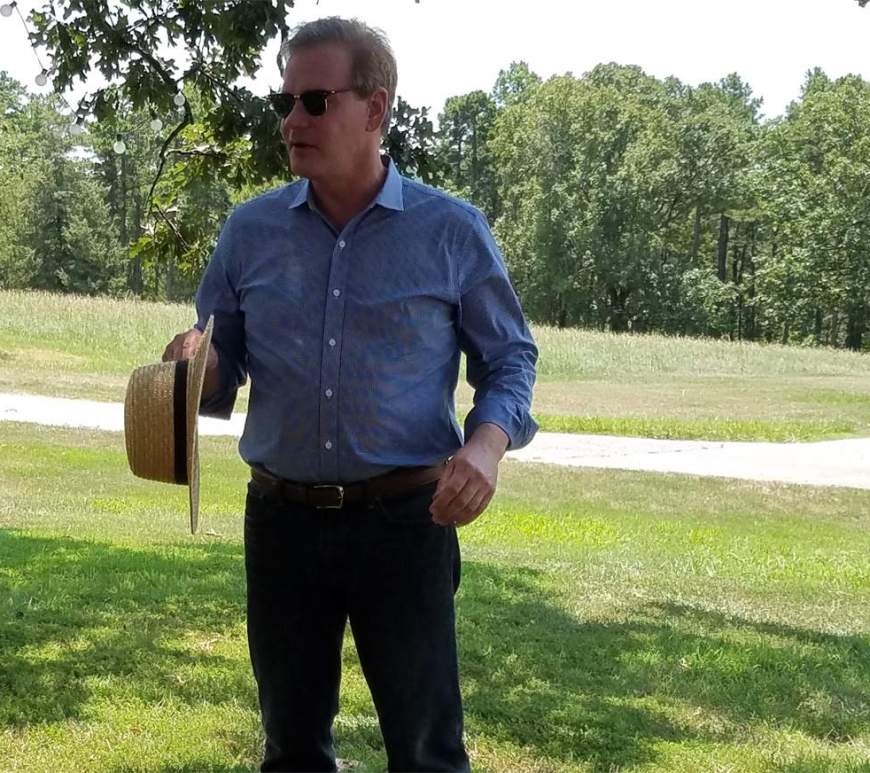
The farm was Moss Mountain Farm, and the owner greeting the gathered crowed was P. Allen Smith, a gardener and farmer of international acclaim, whose shows on public television and HGTV entertain and educate millions. We were all excited to be there despite the nearly soul-crushing heat. Continue reading A visit with celebrity gardener P. Allen Smith

Defense against summer diseases and pests
The heat of summer, it seems, is not only the time that gardens produce the most, it is also the time when the things that want to eat or destroy your gardens are at their busiest.
So while the oppressive heat may have you wanting to be a couch potato rather than tending your potatoes, you should be out checking on your plants, scouting for diseases and insects, and treating them appropriately. Continue reading Defense against summer diseases and pests

Regrowth after floods isn’t easy
For many, gardens symbolize hope, a promise for the future and a promise of sustenance for themselves and their families.
For farmers, fields full of tomatoes and corn symbolize other hopes and promises — of future earnings and what those can bring, as well as stability and a better future. Continue reading Regrowth after floods isn’t easy
Summer sweets: bramble on and on and on
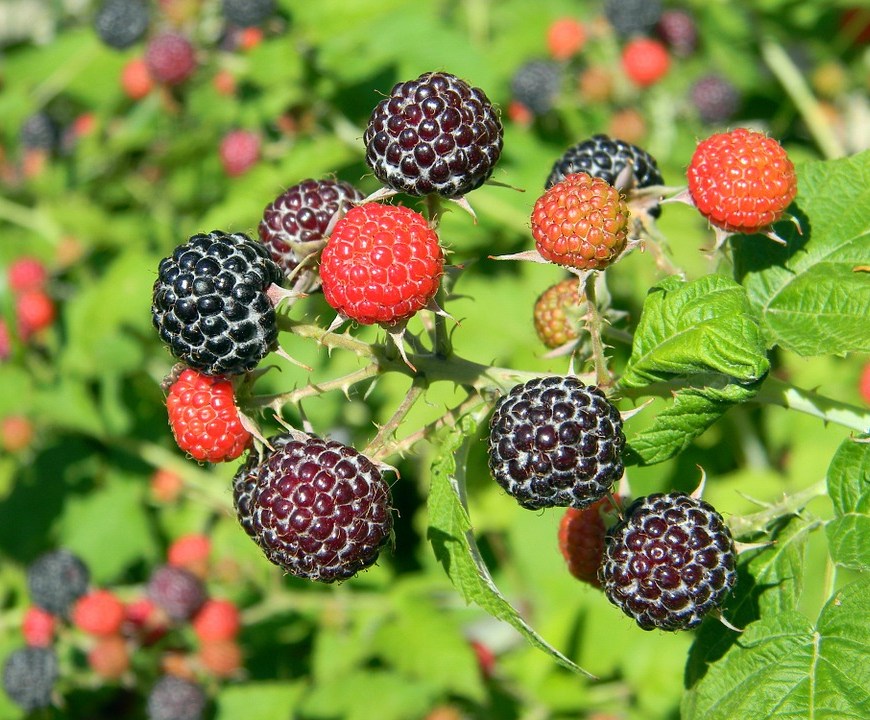
These fruits — raspberries, blackberries and their relatives — are common in many gardens, and for good reason. Because the fruits are so tender, they are often hard to transport and therefore hard to find at market. Continue reading Summer sweets: bramble on and on and on

Flooded Gardens: Produce safety is key
In West Virginia, many of our farms and gardens sit along streams, where they feed from the rich, fertile bottomlands. This means that there is often flooding that affects anything that grows.
In the areas most affected, it is likely that nearly all plants in gardens and fields washed away completely. In areas where standing water covered — but did not wash away — the produce, there is concern for food safety. Continue reading Flooded Gardens: Produce safety is key

Extend harvest season by replanting now
Now that summer has officially arrived after the summer solstice, it is time to once again look forward to your garden’s future and plan for a bountiful late summer and fall. And for those dealing with flooded gardens, it is possible to replant and harvest again this year. Continue reading Extend harvest season by replanting now

Teaching kids about the birds and bees (and butterflies, etc)
This spring I’ve been teaching kids the importance of pollinators at various educational events. Last week at our Kanawha County 4-H camp, my students constructed a model flower and discussed pollination and pollinators (pictured). It has been interesting to see how these youngsters take in the information and even change their minds. Continue reading Teaching kids about the birds and bees (and butterflies, etc)
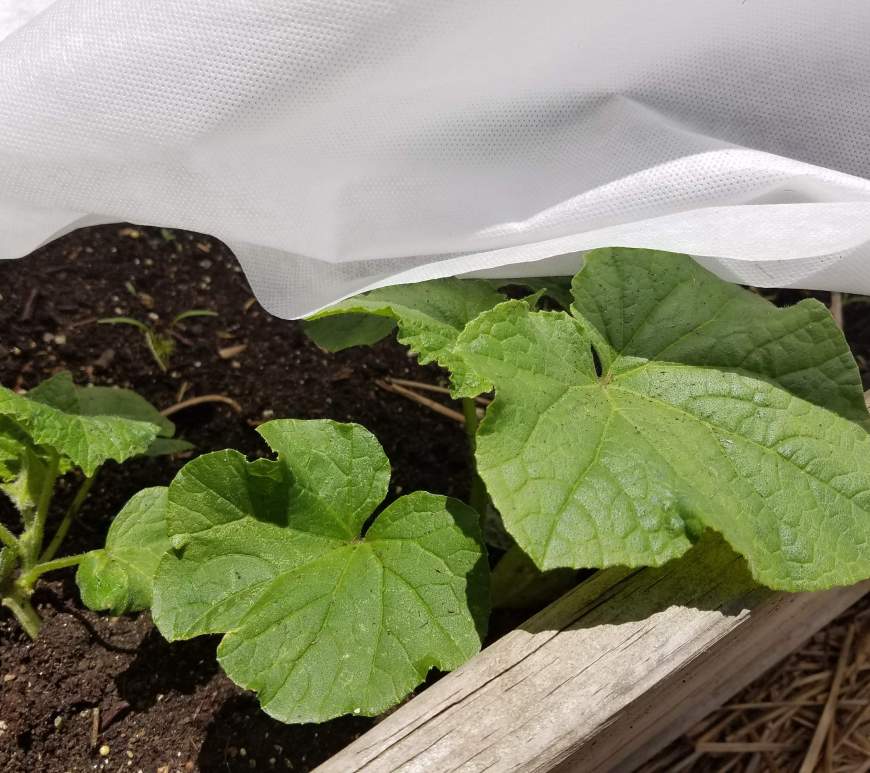
Squash family provides harvest for summer and fall
We are at the point in the year where activity in the vegetable garden has reached a fever pitch. It is likely to remain busy for some time through the summer. We are actually at a point where we are managing things that are starting to reach maturity while looking forward to the fall.
There’s no better example of this than the squash family — while you may have summer squash and zucchini preparing to mature, it is time to cast an eye toward fall and plant pumpkins. Continue reading Squash family provides harvest for summer and fall
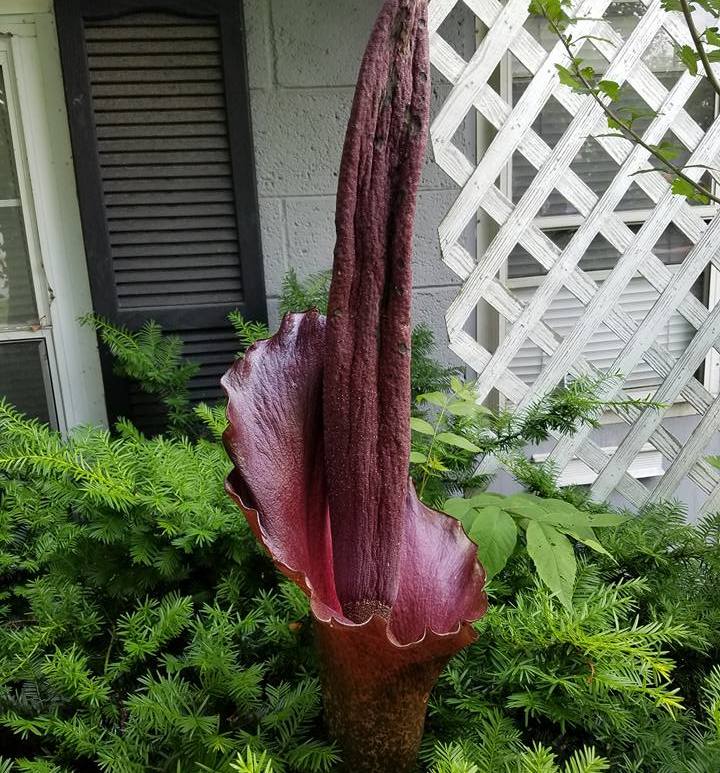
Little Lawn of Horrors: Mystery plant spooks homeowner
Sarah’s plant is called a Voodoo Lily (Amorphophallus konjac). Native to subtropical Asia, it isn’t all that common in the United States. It is part of the Arum family and is related to plants you might know, like Jack-in-the-Pulpit and Peace Lily. Continue reading Little Lawn of Horrors: Mystery plant spooks homeowner
 BearlyGrowing